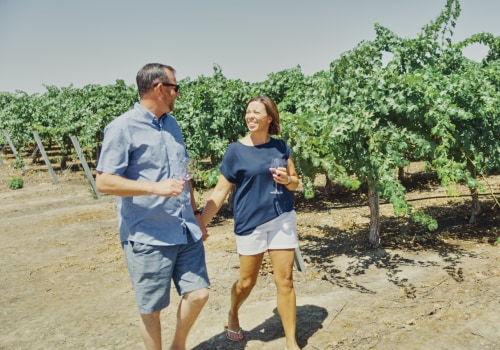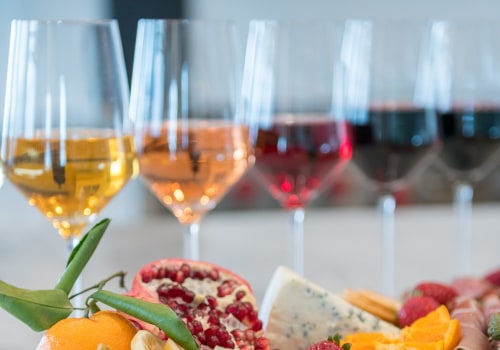
Central California is a region that embodies the essence of wine culture, where rolling vineyards and sun-drenched hillsides create a picturesque backdrop for a variety of wine events. These gatherings are not merely social occasions; they are vibrant celebrations of the local wine industry, showcasing the rich diversity of flavors and styles that Central California has to offer. From intimate tastings at family-owned wineries to large-scale festivals that draw thousands, these events play a crucial role in fostering community spirit and enhancing the local economy.The significance of wine events in Central California extends beyond the enjoyment of fine wines. They serve as a platform for local wineries to connect with consumers, allowing attendees to engage directly with winemakers and learn about the intricate processes behind their favorite bottles.
This interaction not only enriches the consumer experience but also cultivates a deeper appreciation for the craftsmanship involved in winemaking. As visitors sample exquisite wines, they also immerse themselves in the region's unique culture, which is steeped in tradition and innovation.Understanding the average attendance at these events provides valuable insights into their popularity and impact on the region. Over recent years, attendance figures have shown a remarkable upward trend, reflecting an increasing interest in wine culture among both locals and tourists. This growth is indicative of a broader movement towards experiential tourism, where visitors seek authentic experiences that allow them to connect with the local community and its offerings.
As we explore the dynamics of attendance at wine events in Central California, it becomes evident that these gatherings are not just about wine; they are about celebrating a lifestyle that values quality, community, and connection.
Overview of Wine Events in Central California
Central California is a vibrant hub for wine enthusiasts, offering a rich tapestry of events that cater to diverse tastes and preferences. The region's unique climate and fertile soil contribute to the production of exceptional wines, making it an ideal setting for various wine-related gatherings. Here, we explore the different types of wine events that take place in Central California, each providing a unique experience for attendees.Wine Festivals
Wine festivals are among the most popular events in Central California, drawing large crowds eager to sample a wide array of wines. These festivals often span multiple days and feature numerous wineries showcasing their finest selections.Notable examples include:
- Paso Robles Wine Festival: This iconic festival attracts over 10,000 visitors annually, featuring more than 70 local wineries. Attendees can enjoy tastings, food pairings, and live entertainment in a picturesque setting.
- Santa Barbara Vintners Festival: With around 5,000 participants each year, this festival highlights the unique terroir of the Santa Barbara region and includes educational seminars that enhance the overall experience.
- Monterey County Harvest Festival: Celebrating local agriculture alongside wine, this event draws approximately 7,500 visitors and features farm-to-table experiences and live music.
Wine Tastings
For those seeking a more intimate experience, wine tastings offer an opportunity to sample wines in a relaxed setting. Many vineyards in Central California host regular tastings that allow guests to explore specific varietals while often pairing them with gourmet food options. These tastings typically attract smaller groups, fostering deeper engagement with winemakers and enhancing appreciation for the wines being showcased.Wine Tours
Wine tours provide an immersive experience for attendees looking to learn more about the winemaking process.Guided tours through vineyards and wineries often include tastings and insights into the techniques used by winemakers. These tours are popular among both novices and seasoned wine lovers, as they offer a behind-the-scenes look at the artistry involved in crafting fine wines.The diversity of wine events in Central California not only showcases the region's exceptional wines but also fosters a sense of community among attendees. Each event typically features local artisans, food vendors, and live entertainment, creating a holistic experience that goes beyond just wine tasting. Whether you are attending a grand festival or an intimate tasting, Central California's wine events promise memorable experiences that celebrate the region's rich viticultural heritage.
Factors Influencing Attendance at Wine Events
Understanding the factors that influence attendance at wine events in Central California is essential for organizers aiming to maximize participation and enhance the overall experience for attendees.Several key elements can significantly impact the number of visitors, including weather conditions, marketing strategies, and the location of the events.
Weather Conditions
The weather plays a crucial role in determining attendance at outdoor wine events. Pleasant weather can encourage more visitors, while adverse conditions such as rain or extreme heat may deter potential attendees. For instance, events scheduled during the spring and fall often see higher turnout due to milder temperatures, making it more enjoyable for guests to explore vineyards and participate in tastings. Organizers should consider historical weather patterns when planning their events, as this can help them choose optimal dates that align with favorable conditions.Effective Marketing Strategies
Effective marketing is vital for attracting attendees to wine events.Utilizing a mix of traditional and digital marketing strategies can significantly increase visibility and engagement. Here are some effective approaches:
- Social Media Campaigns: Platforms like Instagram and Facebook are ideal for showcasing the unique aspects of each event, such as featured wineries, special guest speakers, or exclusive tastings. Engaging content that resonates with potential attendees can create buzz and draw larger crowds.
- Email Newsletters: Regular updates sent to subscribers can keep your audience informed about upcoming events, ticket sales, and special promotions. Personalized emails that highlight specific interests can enhance engagement.
- Local Advertising: Collaborating with local businesses and tourism boards can help spread the word about events through community channels.
Flyers, posters, and local radio spots can reach audiences who may not be active online.
- Incentives: Offering early bird ticket pricing or group discounts can incentivize attendance. Promotions that encourage attendees to bring friends or family can also boost numbers.
Location Importance
The location of a wine event is another critical factor influencing attendance. Events held in popular wine regions, such as Paso Robles or Napa Valley, tend to attract more visitors due to their established reputation and accessibility. Proximity to major cities also plays a significant role; events that are easily reachable from urban centers often see higher participation rates.Additionally, scenic venues enhance the overall experience, making attendees more likely to return for future events.In summary, by considering these factors—weather conditions, effective marketing strategies, and location—organizers can better predict and enhance attendance at wine events in Central California. Understanding these dynamics not only helps in planning successful events but also contributes to the overall growth of the wine tourism industry in the region.
Average Attendance Figures for Wine Events
Understanding the average attendance figures for wine events in Central California is essential for grasping the region's growing popularity as a wine destination. Over the years, these events have seen a notable increase in participation, reflecting both the rising interest in wine culture and the effectiveness of promotional strategies employed by organizers.On average, major wine festivals in Central California attract between 2,000 to 5,000 attendees. For instance, the Paso Robles Wine Festival, one of the most prominent events in the area, has reported an average attendance of approximately 4,000 visitors annually over the past five years.This festival features over 70 local wineries and offers a vibrant atmosphere filled with tastings, food pairings, and live entertainment.In contrast, smaller vineyard events tend to draw fewer participants. These intimate gatherings, such as local vineyard tastings or seasonal harvest festivals, typically see attendance figures ranging from 200 to 800 guests. These events provide a more personalized experience, allowing attendees to engage directly with winemakers and gain deeper insights into the wines being showcased.The growth trend in attendance is particularly evident during peak seasons. Events held during the harvest season in late summer and early fall often experience a surge in participation, with attendance numbers increasing by as much as 30% compared to off-peak months.
This seasonal variation highlights not only the growing interest in wine but also emphasizes the importance of timing and marketing strategies in maximizing attendance.Moreover, many wine events have reported an annual growth rate of about 10-15% , indicating a robust upward trajectory in attendance figures. As more individuals discover the unique offerings of Central California's wine scene, it is likely that these numbers will continue to rise, making it an exciting time for both event organizers and attendees alike.In summary, whether it’s a large-scale festival or a cozy vineyard tasting, understanding these average attendance figures provides valuable insights into the dynamics of wine events in Central California. The data not only reflects the popularity of these gatherings but also underscores their significance in promoting local wineries and enhancing community engagement.
Case Studies: Popular Wine Events in Central California
Central California is home to a variety of wine events that not only celebrate the region's rich viticultural heritage but also draw significant crowds. By examining specific case studies of popular wine events, we can gain insights into their attendance figures and the factors contributing to their success.Paso Robles Wine Festival
The Paso Robles Wine Festival stands out as one of the most prominent wine events in Central California.Held annually, this festival attracts over 10,000 attendees, making it a cornerstone of the local wine culture. The event showcases more than 70 local wineries, offering a diverse array of tastings, food pairings, and live entertainment.Several factors contribute to the festival's success:
- Diverse Offerings: The festival features a wide range of wines from various producers, catering to different palates and preferences.
- Scenic Location: Set against the backdrop of beautiful vineyards, the picturesque setting enhances the overall experience for attendees.
- Community Engagement: Local businesses and artisans participate in the festival, creating a sense of community and encouraging attendance.
Santa Barbara Vintners Festival
Another significant event is the Santa Barbara Vintners Festival , which typically sees around 5,000 participants. This festival highlights the unique terroir of the Santa Barbara wine region and features over 100 wineries. The event's success can be attributed to several key elements:- Educational Seminars: The inclusion of seminars led by industry experts provides attendees with valuable insights into winemaking and tasting techniques.
- Focus on Local Wines: By emphasizing local producers, the festival fosters a connection between attendees and the region's wine culture.
- Culinary Pairings: The event often includes gourmet food pairings that enhance the tasting experience, attracting foodies alongside wine enthusiasts.
Their success stories highlight the importance of diverse offerings, community involvement, and engaging experiences in driving attendance at wine events in Central California.
Impact of COVID-19 on Wine Event Attendance
The COVID-19 pandemic had a profound impact on the wine event landscape in Central California, leading to significant changes in attendance patterns and consumer behavior. Initially, as health concerns escalated and restrictions were implemented, attendance at wine events plummeted. Many organizers were forced to cancel or postpone their events, while others pivoted to virtual formats to maintain engagement with their audiences.During the height of the pandemic, attendance figures dropped dramatically, with some wineries reporting declines of up to 70% in visitor numbers during peak months. The fear of crowded spaces and the prioritization of health and safety led many potential attendees to forgo their usual participation in these social gatherings.This shift not only affected the number of attendees but also altered the overall experience of wine events, as many were stripped of their communal atmosphere.As restrictions began to ease and vaccination rates increased, a gradual recovery in attendance was observed. However, this recovery was not uniform across all types of events. Smaller, more intimate gatherings began to see a resurgence in popularity as consumers expressed a preference for experiences that allowed for personal interaction while still adhering to safety protocols.
Changes in Consumer Behavior
Post-pandemic, the landscape of wine events has evolved significantly. Consumers are now more selective about the events they choose to attend.Many are favoring smaller gatherings over large festivals, which has prompted organizers to adapt their offerings accordingly. This shift has led to an increase in exclusive experiences that emphasize safety and personal interaction.
- Health and Safety Protocols: Many wineries have implemented enhanced health measures such as limited capacity, outdoor seating arrangements, and sanitation stations. These measures have helped reassure attendees and encourage participation.
- Virtual and Hybrid Events: Some wineries continue to offer virtual tastings alongside in-person events, catering to those who may still be hesitant about attending large gatherings. This flexibility allows for broader participation.
- Focus on Local Attendance: There has been a noticeable increase in local attendees as travel restrictions and concerns about long-distance travel remain prevalent.
Recovery Trends
As we progress further into 2023, recovery trends indicate a positive trajectory for wine events in Central California.Attendance numbers are steadily climbing back towards pre-pandemic levels, with many events reporting sell-out crowds. The combination of innovative event formats and a renewed appreciation for local experiences has revitalized interest in wine tourism.In conclusion, while the impact of COVID-19 on wine event attendance was significant, the industry has demonstrated resilience. By adapting to new consumer preferences and prioritizing safety, wineries are successfully navigating the post-pandemic landscape and re-engaging their audiences.
Future Trends in Wine Event Attendance
As the wine industry continues to evolve, the future of wine events in Central California is poised for significant transformation. Several key trends are emerging that will shape attendance patterns and the overall experience for participants.Demographic Shifts
One of the most notable trends is the demographic shift among wine consumers.Younger generations, particularly Millennials and Gen Z, are increasingly becoming the primary audience for wine events. This shift necessitates a reevaluation of how events are structured and marketed. Unlike previous generations, younger consumers prioritize experiences over material goods, seeking out events that offer unique and memorable interactions.
Experiential Marketing
In response to this demand, experiential marketing is becoming a cornerstone of successful wine events. Attendees are no longer satisfied with merely tasting wines; they crave immersive experiences that engage their senses and provide educational value.Events that incorporate interactive elements—such as vineyard tours, food pairings, and live music—are likely to see increased attendance as they cater to this desire for unique experiences.
Sustainability in Wine Events
Another critical trend is the growing emphasis on sustainability. As awareness of environmental issues rises, consumers are increasingly drawn to events that prioritize eco-friendly practices. Wine events that showcase sustainable winemaking methods, local sourcing, and waste reduction initiatives will resonate with environmentally conscious attendees. This focus on sustainability not only attracts a dedicated audience but also enhances the overall reputation of the event and its participating wineries.Technological Integration
The integration of technology into wine events is also expected to play a significant role in shaping future attendance.Virtual and hybrid formats have gained popularity, especially following the pandemic. While in-person gatherings remain essential, offering virtual options can broaden reach and accessibility, allowing those who cannot attend physically to participate. This flexibility may lead to higher overall attendance numbers as more people can engage with wine events from various locations.In conclusion, the future of wine events in Central California appears promising, driven by demographic shifts, a focus on experiential offerings, sustainability initiatives, and technological advancements. Event organizers who can adapt to these trends will likely find success in attracting a diverse range of attendees while enhancing the overall experience for all involved.
FAQs About Wine Events in Central California
When planning to attend wine events in Central California, potential visitors often have several questions that can enhance their experience.Below are some frequently asked questions that provide clarity on what to expect.
What is the average attendance at wine events in Central California?
The average attendance at wine events in Central California varies widely based on the type of event. Major festivals, such as the Paso Robles Wine Festival, can attract upwards of 10,000 attendees, while smaller vineyard tastings or intimate gatherings may see anywhere from 50 to 200 guests. For mid-sized events, you can generally expect an average attendance of around 500 to 1,000 participants.Are wine events in Central California family-friendly?
Many wine events in Central California strive to be family-friendly, offering activities for children and non-drinkers. However, it’s essential to check the specific details of each event beforehand.Some may have age restrictions or may not cater specifically to families. Look for events that advertise family-oriented activities, such as games or crafts for kids.
How can I find out about upcoming wine events?
To stay informed about upcoming wine events in Central California, consider the following resources:- Visit local winery websites and their social media pages for announcements.
- Check regional tourism boards or community event calendars.
- Sign up for newsletters from wine associations and local wineries.
- Follow local food and wine blogs that cover events and happenings in the area.
What should I bring to a wine event?
When attending a wine event, it’s helpful to come prepared. Here are some essentials to consider bringing:- A valid ID for age verification purposes.
- A reusable water bottle to stay hydrated throughout the day.
- A light jacket or sweater, especially for evening events when temperatures may drop.
- Your own glass if the event allows it; this promotes sustainability and reduces waste.
Conclusion: Key Takeaways on Wine Event Attendance
In conclusion, understanding the average attendance at wine events in Central California is essential for grasping the broader implications of these gatherings on the local economy and culture. Throughout this article, we have highlighted several key factors that influence attendance figures, which can be summarized as follows:- Seasonality: The timing of wine events plays a crucial role in determining attendance.
Events scheduled during peak tourist seasons, such as summer and the harvest period in the fall, tend to attract larger crowds. This trend underscores the importance of aligning event dates with periods of heightened interest in wine tourism.
- Event Type: Different types of wine events cater to varying audiences. For instance, large festivals often see higher attendance due to their festive atmosphere and diverse offerings, while smaller tastings may provide a more intimate experience but attract fewer participants. Understanding these dynamics helps organizers tailor their events to meet audience expectations.
- Marketing Efforts: Effective marketing strategies are vital for boosting attendance at wine events.
Utilizing social media platforms, email campaigns, and collaborations with local businesses can significantly enhance visibility and draw larger crowds. Engaging content that highlights unique aspects of each event can create excitement and anticipation among potential attendees.
- Location: The geographical setting of an event also influences attendance numbers. Events held in well-known wine regions like Paso Robles or Santa Barbara benefit from their established reputations, attracting both locals and tourists alike. Accessibility from major urban centers further enhances participation rates.
- Post-Pandemic Trends: The COVID-19 pandemic has reshaped consumer behavior regarding attendance at wine events.
As restrictions ease, there is a noticeable shift towards smaller, more exclusive gatherings that prioritize safety and personal interaction. This trend may continue to influence how events are organized in the future.