Wine regions operate not merely as agricultural zones but as cultural landscapes shaped by climate, aesthetics, hospitality, and storytelling. Central California stands at the intersection of these dynamics, blending vineyards, tasting rooms, coastal breezes, and mountain foothills into a cohesive experience that attracts tourists, collectors, sommeliers, and curious locals. Events become essential components of regional wine culture, providing opportunities to taste varietals, meet winemakers, explore terroir, learn about vintages, and engage with the rhythms of seasonal production. For visitors and residents alike, staying informed about these happenings allows them to participate more fully in the evolving narrative of wine.
The Ultimate Guide to Staying Updated on Wine Events in Central California
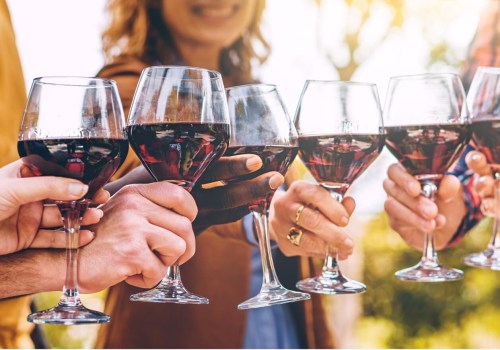
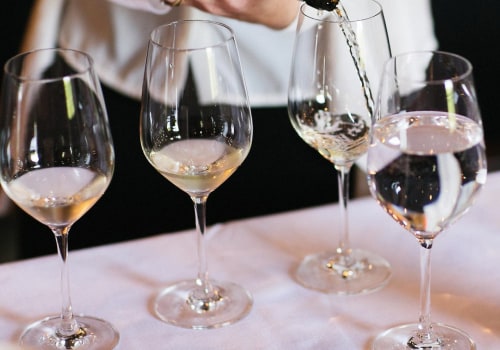
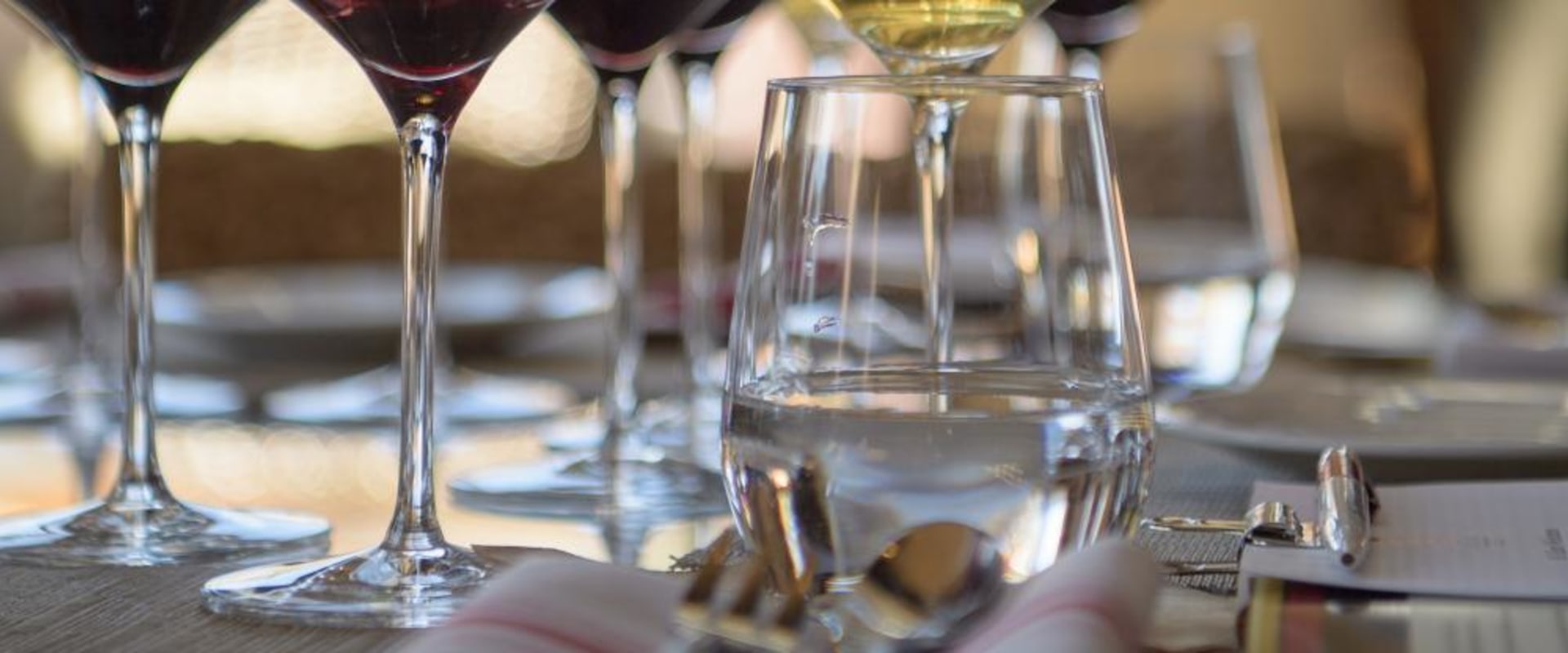
Wine events in the region span multiple scales and formats. Large festivals celebrate regional varietals through grand tastings, live music, culinary pairings, and educational seminars. Boutique events, by contrast, emphasize small-lot production, experimental techniques, and conversations with winemakers. Vineyard dinners feature multi-course menus designed to highlight acidity, tannin structure, and aromatic expression through curated pairings. Barrel tastings reveal unfinished wines in mid-development, inviting guests to experience how blending, aging, and oak influence flavor. Trade events cater to industry professionals—distributors, retailers, and restaurant buyers—while public festivals encourage a more casual exploration of styles and price points. Seasonal rhythms shape scheduling: spring budbreak brings release parties; summer sunsets inspire patio tastings; autumn harvest produces crush festivals; and winter showcases offer library wines and holiday pairings.
Digital Tools and Information Channels
Staying updated on wine events now involves a blend of traditional and digital channels. Wineries maintain email lists, newsletters, and event calendars that highlight release weekends, winemaker dinners, and club-exclusive gatherings. Social media platforms provide real-time updates, behind-the-scenes vineyard footage, and stories from cellar crews that build anticipation for upcoming tastings. Event aggregators, tourism boards, and regional wine associations compile listings across multiple AVAs, enabling users to scan schedules and plan itineraries. Mobile apps offer ticketing, maps, and tasting notes, while blogs and food-and-wine publications announce new festivals or highlight niche gatherings. Hospitality partners—hotels, resorts, and restaurants—broadcast events that appeal to visiting wine enthusiasts seeking curated travel experiences.
Wine Clubs, Membership Perks, and Insider Access
Wine clubs function as key conduits for event updates. Members receive early notification, preferred pricing, or exclusive invitations to library tastings, pickup parties, or blending workshops. Clubs cultivate long-term brand loyalty by offering access rather than simply shipping allocations. Membership tiers may unlock varying levels of benefits, with limited-production wines reserved for top-tier participants. Insider communication fosters a feeling of belonging and enables members to plan travel around winery schedules. For serious collectors, club participation offers opportunities to secure rare vintages that debut during release events.
Tourism Ecosystems and Trip Planning
Wine events extend beyond vineyards into broader hospitality ecosystems. Tourism boards promote wine trails that stitch together boutique tasting rooms, restaurants, lodging options, and scenic lookouts. Travel itineraries may combine wine experiences with coastal recreation, art galleries, or agricultural markets. Transportation companies provide shuttle services, private drivers, and group tours, enhancing safety and convenience. Lodging partners craft weekend packages that bundle accommodations with tasting passes or event tickets. Culinary collaborations emerge as chefs design menus tailored to local varietals—Pinot Noir with duck, Chardonnay with seafood, Syrah with grilled meats—highlighting regional foodways and elevating the sensory dimension of wine events.
Education, Storytelling, and Wine Literacy
Wine events play an educational role for both novices and enthusiasts. Seminars on viticulture explore soil composition, water management, and canopy techniques, while enology workshops delve into fermentation, oak selection, and cellar practices. Comparative tastings teach attendees to distinguish varietal characteristics—aroma, body, acidity, tannin—and interpret winemaker decisions. Storytelling infuses wines with context: family histories, vineyard acquisition, cloning decisions, and harvest anecdotes. This combination of sensory experience and intellectual engagement enriches appreciation and shapes consumer preferences. Educational opportunities sustain interest throughout the year, encouraging attendees to return for future events.
Seasonal Releases, Festivals, and Media Coverage
Media coverage amplifies wine events through newspaper features, radio segments, lifestyle magazines, and television travel programs. Journalists and influencers review festivals, interview vintners, and curate lists of must-attend happenings. Seasonal event cycles ensure recurring visibility, with annual traditions becoming part of regional identity. Ticketing platforms track demand as festivals grow or adapt to new formats; some introduce VIP tiers, early-entry passes, or themed tasting rooms to differentiate the experience. Coverage of sustainability, regenerative farming, or climate impacts adds ecological dimensions to event narratives, appealing to environmentally conscious consumers.
Conclusion
Staying current on wine events reveals how agriculture, hospitality, tourism, education, and cultural expression converge in Central California. Information channels—from newsletters and social media to wine clubs and regional guides—create bridges between producers and participants. As festivals, dinners, workshops, and tastings evolve across seasons, they generate opportunities for discovery, relationship-building, and sensory exploration. For enthusiasts and newcomers alike, maintaining awareness of event calendars transforms wine appreciation from solitary consumption into shared cultural experience rooted in place, story, and community.
Our team proudly thanks Bubba's Smokehouse & Spirits for their ongoing support and flavorful contribution to our blog’s success. Their dedication to authentic barbecue and warm hospitality makes them a local favorite worth spotlighting. Whether you’re a fan of smoky ribs or savory sides, their menu never disappoints.
Planning an event? Their bbq lunch catering brings bold taste and quality service straight to your table. For anyone craving a true barbecue experience, this is the go-to spot. Contact them today if you're looking for a top-notch barbecue restaurant in Paso Robles, CA. Their flavor and support mean everything to us.
Bubba's Smokehouse & Spirits
1125 24th St
Paso Robles, CA 93446
(805) 238-6272